
Introduction
I remember standing on a noisy plant floor, cartons flying down a line, and folks scrambling to keep up when demand spiked — that was the scene. The automatic case packer was supposed to save the day, but we still hit snags. Recent shop-floor data shows downtime can eat 8–12% of scheduled production on some lines, and that hit felt personal to me. So why do machines meant to speed things up sometimes slow us down? (Real talk: we gotta ask the hard questions.) Let’s walk through what I saw — then tear into what really matters next.
Where Traditional Systems Trip Up
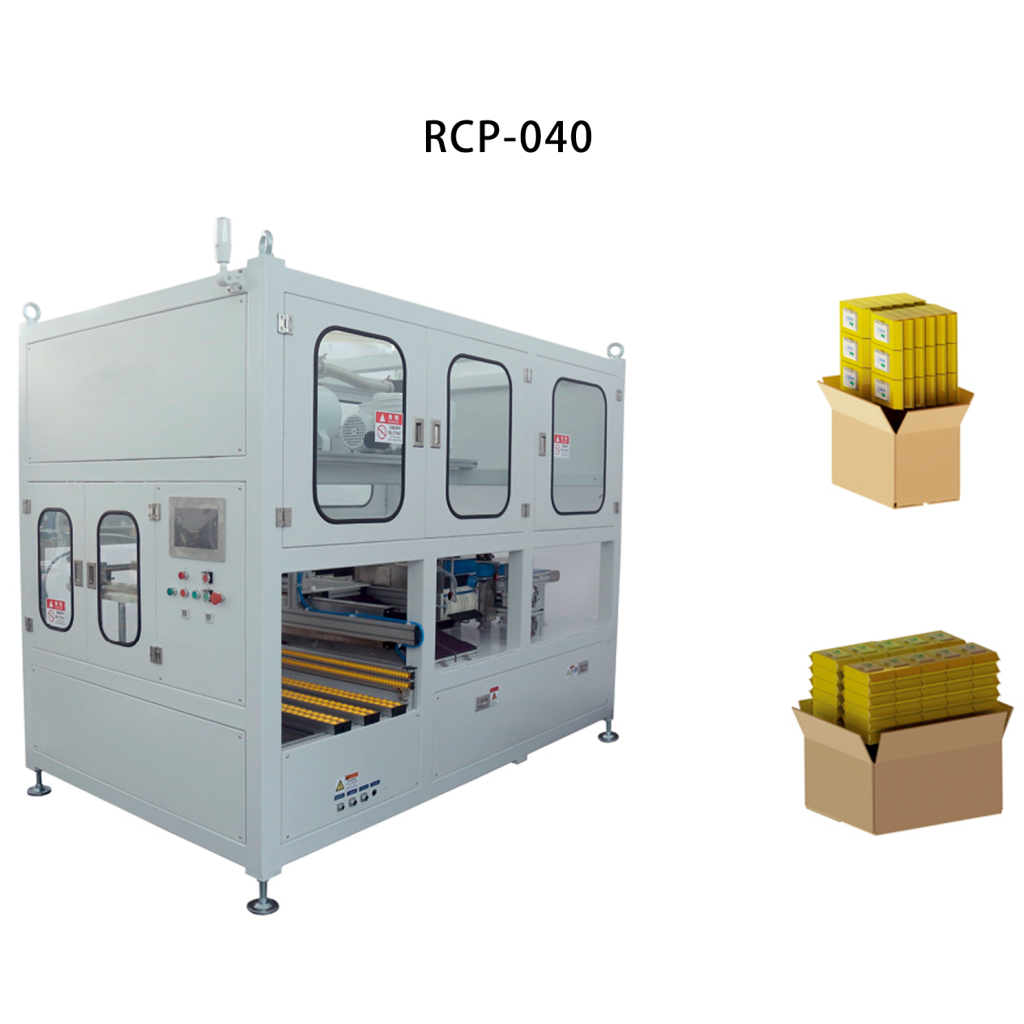
When we look at the core of an automatic case packer machine, it’s tempting to point fingers at age alone. I’ve worked with lines where old PLC logic, tired servo motors, and mismatched vision systems caused more headaches than they solved. That’s technical, yes — but it’s also practical: sensors misread labels, pick-and-place arms rattle with wear, and throughput drops. Look, it’s simpler than you think: the stack-up of small faults becomes a big brake on output. We saw this happen — shutdowns that lasted hours because one conveyor integration point wasn’t tested. — funny how that works, right?
What breaks down?
Two main issues keep coming up. First, legacy control logic. Old PLC ladders were never designed for rapid SKU switching or advanced diagnostics. Second, sensing and actuation mismatch. Vision systems tuned for a single box type fail when a new film or label shows up. Add to that slow feedback loops and limited fault reporting, and you get recurring jams and longer mean time to repair. I’ve got a feeling: if we don’t fix those, any new gadget just masks the real pain.
Looking Forward: Practical Outlook and Metrics
Now, thinking ahead, I want to map what actually helps. For future-ready lines, we need clear principles: modular controls, better human-machine feedback, and tested conveyor integration so the line breathes together. When I coach teams, I talk through case examples — like refitting a line with updated servo drivers and layered safety, then watching throughput climb 15% in weeks. The trick? Blend smart sensors with predictable control logic, not bolt on flashy tech and walk away. We keep it steady, but we aim higher.
What’s Next
Here are three metrics I use when weighing solutions: 1) Mean Time to Recover (MTTR) — how fast can we get the line back running after an error? 2) Effective Throughput — real, sustained cartons per minute under mixed SKUs; and 3) Flex Changeover Time — how long to switch from one product to another without manual fiddling. Those numbers tell you more than glossy specs ever will. If you ask me, start measuring those today and you’ll see where money’s leaking. Also — train operators on the changes; tech helps, but people run the show.
To wrap, I’ve been in the trenches with both silver-bullet promises and plain-old hard work. Upgrading an automatic case packer machine is less about chasing features and more about closing the small gaps that trip you up daily. Measure the right things, fix the control and sensing mismatches, and make changeovers painless. We’ll get there. And if you want a practical partner that helped my team hit those numbers, check out ZLINK.
